Book My Luck
Tamil Good Luck Customs: Vel, Kolam, Drishti
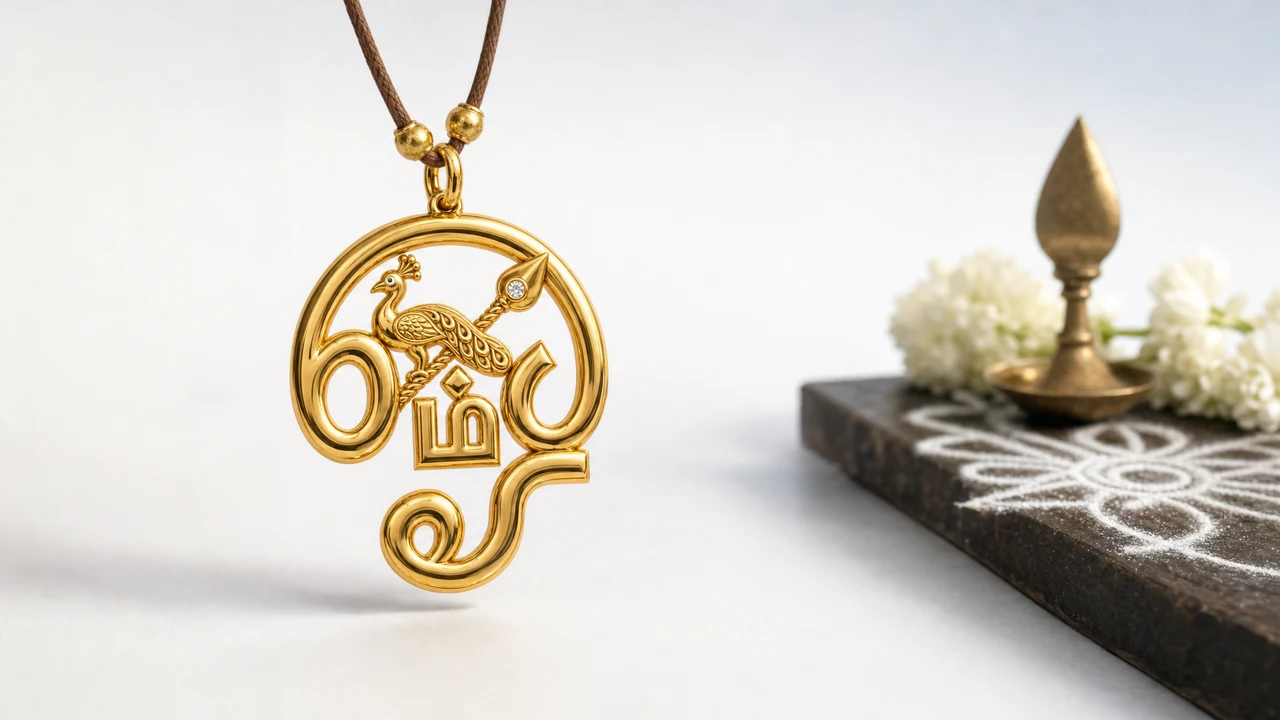
Tamil good luck customs weave together three things: devotion, protection and a daily welcome. The vel of Murugan for courage, the kolam drawn at the threshold each morning, and drishti protection against the evil eye are three you will see across Tamil homes.
Guides often flatten these into "Indian superstitions." Tamil custom has its own texture, and it is worth describing on its own terms.
What are the main Tamil good luck customs?
A handful appear again and again in Tamil Nadu and across the Tamil diaspora. Each carries a distinct feeling.
The main Tamil good luck customs are the vel of Lord Murugan, the morning kolam at the doorstep, and drishti protection against envy. Together they cover courage, welcome and safekeeping.
Here is the short version of each.
- The vel: the divine spear of Murugan, standing for courage, clarity and the will to face a hard climb.
- The kolam: a pattern drawn in rice flour at the threshold each morning, a welcome and an auspicious start to the day.
- Drishti or kan drishti: protection against the evil eye, using a black dot, a guardian face, or a small ritual.
- The lemon and chilies: the nimbu-mirchi string at doors and shops, shared with the wider Indian custom.
Tamil culture spans Hindus, Christians, Muslims and others, and customs vary by family and faith. What one household treats as devotional, another may keep as folk habit or not at all.
What does the vel of Murugan mean?
The vel is the spear carried by Murugan, the Tamil deity especially loved in Tamil Nadu. It is one of the most recognizable Tamil symbols.
The vel stands for courage and clear, focused will. In the tradition it is the weapon that cuts through ignorance and fear, which is why people turn to it before a hard trial.
That makes it a natural charm before an exam, a big climb, or a daunting day. The murugan vel meaning piece covers the vel and its peacock, and the ritual of raising the spear before a challenge.
The vel is about facing the thing, not avoiding it. Where an evil-eye charm turns harm away, the vel is a symbol of the nerve to walk straight at a hard moment.
Why is the kolam drawn every morning?
The kolam is a pattern of dots and looping lines drawn in rice flour on the ground at the threshold, refreshed each morning. It is one of the most beautiful daily customs in the Tamil world.
It is a welcome, laid down before the day begins. A fresh kolam signals a household that is awake, ordered and ready to receive guests and good fortune.
There is a gentle ecological grace to it too. The rice flour feeds ants and small birds, so the welcome extends beyond people, a common reading of the practice.
A kolam is meant to be made fresh, not kept. The daily redoing is the point, marking each morning as its own clean start.
A quick guide to Tamil luck customs
Here is how the main customs compare and what each is commonly held to mean.
| Custom | Form | Commonly held meaning |
|---|---|---|
| Vel | Brass or steel spearhead | Courage, clarity, facing a challenge |
| Kolam | Rice-flour pattern at the door | Daily welcome and auspicious start |
| Drishti | Black dot, guardian face, ritual | Protection against the evil eye |
| Nimbu-mirchi | Lemon and chilies on a string | Absorbing ill will at a door or shop |
The drishti face, the fierce guardian often set at a rooftop or gate, is covered in the drishti bommai meaning piece, and the shared Indian customs sit in good luck superstitions in India.
Are these devotion or superstition?
The honest answer is that they range across both, and the line is personal. The vel is devotional for many, while a kolam can be pure daily habit and drishti a mix of belief and reflex.
What they share is a job that survives the belief. Each one gives a person something to do at a moment they cannot fully control.
Before an exam, a journey, or a new venture, you cannot force the result. You can raise the vel in your mind, draw a careful kolam, or place a drishti dot, and the small act carries the nerves.
That instinct is not unique to Tamil Nadu. The lucky charm meanings around the world guide shows the same two jobs, courage and protection, recurring from Ireland to Japan.
Keeping a custom where you work
These customs are rooted in physical life: a doorstep, a home shrine, a gate. Many Tamil people now spend the day at a Mac, far from the threshold where the kolam is drawn.
A charm on your screen can carry the same intent as a symbol at the door. It marks the space you work in and keeps a small ritual where your attention actually lives.
That is the plain idea behind Book My Luck, a small Mac app that hangs a chosen charm, the Murugan vel-and-peacock pendant among them, from the top of your screen on a thin cord. It sways with real rope physics and reacts to your cursor, and you can raise the vel as its small ritual before a hard moment.
It does not claim to protect anything or replace devotion. If your home has a shrine, a kolam and a drishti face, keep them; the screen charm is for the hours your gaze is on the Mac. You can see what a one-time key costs on the pricing page.
When do these customs come out most?
They are woven into ordinary days and rise to the surface at festivals and milestones. Seeing when they appear tells you what they are for.
The kolam is daily, but it grows large and elaborate at Pongal, the Tamil harvest festival, when doorsteps fill with color. Pongal itself is a thanksgiving for the harvest, the sun and the cattle, and it is thick with auspicious marking.
The vel comes forward at Thaipusam and at Murugan temples, and privately before exams and hard undertakings. Drishti rituals surface around babies, weddings and new ventures, exactly the moments people feel most watched and most vulnerable.
- Pongal turns the daily kolam into a festival of abundance and thanks.
- Thaipusam and temple days bring the vel of Murugan to the fore.
- Milestones like births and weddings call up drishti protection.
These are devotional practices for many people, not just folklore. Describe the vel and temple customs with the same respect you would give any faith, and avoid reducing them to "quirky traditions."
That rhythm, daily habit rising into festival, is the shape of a living culture. The customs are not stored away and dusted off; they are part of how the year is kept.
The respectful takeaway
Tamil luck customs are living traditions, several of them devotional. They belong to real families and a wide diaspora who keep them with real feeling, and they deserve an accurate telling.
A charm is a charm, not a promise. The vel will not pass your exam and a kolam will not change your day's events, but they steady you and mark the moment, which is what they have always done.
Kept with that understanding, a spear in the mind or a pattern at the door is less about magic and more about courage and welcome, offered on purpose before a hard thing. And that is worth carrying with you.
FAQ
What does the vel of Murugan symbolize?
The vel is the spear of Murugan, a Tamil deity, and it stands for courage and clear, focused will. In the tradition it cuts through fear and ignorance, so people turn to it before a hard trial such as an exam or a daunting climb.
What is a kolam and why is it drawn daily?
A kolam is a pattern of dots and looping lines drawn in rice flour at the threshold each morning. It welcomes guests and good fortune, marks a fresh, ordered start to the day, and the rice flour also feeds ants and birds.
What is drishti in Tamil custom?
Drishti, or kan drishti, is protection against the evil eye, the belief that envy or an admiring gaze can bring harm. It is countered with a black dot on a child, a fierce guardian face, or the lemon-and-chilies string at a door.
Is the vel a religious symbol or a lucky charm?
It is primarily a devotional symbol tied to Murugan, though many people also treat it as a charm for courage before a challenge. How it is held varies with each person's faith and family practice.
How do Tamil customs relate to wider Indian ones?
They overlap and diverge. The lemon and chilies and the drishti idea are shared across much of India, while the vel of Murugan and the daily kolam have a distinctly Tamil character rooted in local devotion and habit.
Do Tamil good luck customs actually work?
They work as rituals and markers, not guarantees. The vel steadies your nerve, a kolam marks a clean start, and drishti expresses care, but none control real outcomes; they are charms and customs, not promises.
Hang one for the moment that matters
Book My Luck hangs a real lucky charm from the top of your Mac screen. It sways, clicks through, and drops in on cue for the moments you book. One purchase, no subscription.
Get Book My Luck →