Book My Luck
Chinese Good Luck Symbols: Knot, Bamboo, Red
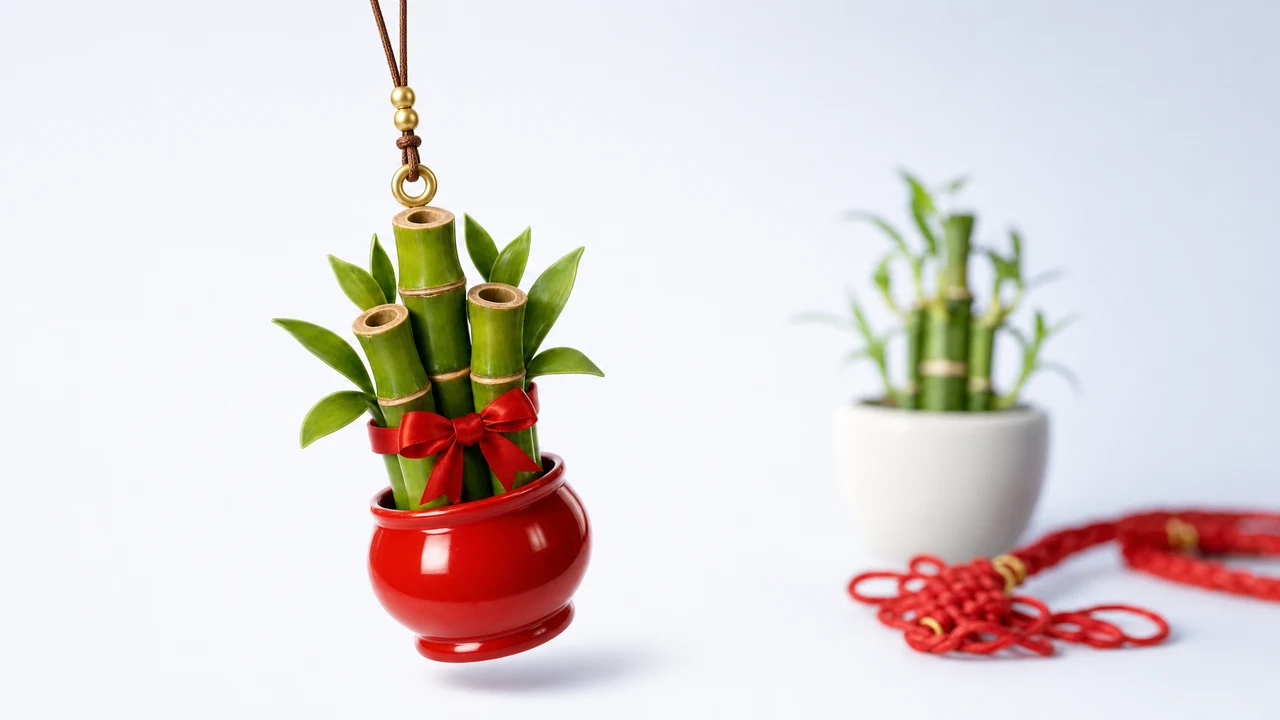
Chinese good luck symbols lean toward continuity, growth and abundance rather than pure protection. The endless knot with no beginning or end, lucky bamboo that keeps growing, and the color red that signals joy are three of the most common.
Most guides list feng shui items without the through-line. The through-line is that many Chinese symbols celebrate an unbroken, growing good fortune, not just a shield against harm.
What are the most common Chinese good luck symbols?
A handful appear across homes, shops and festivals. Each one tends to stand for a positive, ongoing state.
The most common Chinese good luck symbols are the endless knot, lucky bamboo, the color red, and pairs of auspicious words and animals. Together they read less as "keep bad away" and more as "let good continue."
Here are a few you will meet often.
- The endless knot (pánchāng jié), a looped cord with no start or finish, standing for long life and unbroken fortune.
- Lucky bamboo, arranged in meaningful numbers of stalks for growth and steadiness.
- The color red, worn and hung at New Year and weddings for joy and warding off bad luck.
- The character fu (福), "fortune," often hung upside down as a pun on "fortune has arrived."
Many of these live within feng shui and folk custom rather than a single religion, and meanings can shift by region and dialect. Treat them as commonly held rather than fixed law.
What does the Chinese endless knot mean?
The endless knot, pánchāng jié, is a decorative cord tied so it has no visible beginning or end. That loop is the whole point.
Because the cord never stops, it stands for continuity: long life, lasting love, and fortune that does not run out. It is one of the classic auspicious symbols and also appears in Buddhist tradition.
You will see it in red at New Year, on gifts, and as a tassel on doors and bags. The chinese knot meaning piece walks through the endless knot and its ritual of cinching the cord.
The knot's meaning lives in its shape. A loop with no end is a picture of something that continues, which is why it reads as long life and unbroken luck.
Why do the stalks of lucky bamboo matter?
Lucky bamboo is prized for being hardy and evergreen, an easy stand-in for steady growth. The twist is that the number of stalks carries its own meaning.
Different counts are linked to different wishes, and one number is usually avoided. The lucky bamboo stalks meaning piece lays out what each common count is said to stand for.
Three stalks is the everyday favorite, commonly tied to happiness, long life and wealth. It is why a three-stalk pot is such a common desk and doorway plant.
If you give lucky bamboo, mind the stalk count, since the number is part of the message. When in doubt, three stalks is a safe and warm choice.
A quick guide to Chinese luck symbols
Here is how a few of the big ones compare and where they usually go.
| Symbol | Form | Commonly held meaning |
|---|---|---|
| Endless knot | Looped red cord | Long life, unbroken fortune |
| Lucky bamboo | Living stalks in water | Growth, steadiness, luck by number |
| Color red | Envelopes, decor, clothing | Joy, celebration, warding off bad luck |
| Fu character | Hung, often upside down | "Fortune has arrived" |
Are these feng shui rules or something looser?
The honest answer is that they range from serious feng shui practice to loose, affectionate custom. A shop owner might place bamboo with real intent, while a student just likes a red cord on the bag.
What they share is a job that survives either reading. Each one gives a person a way to mark a hope for growth or a happy occasion.
Before a new venture, a move, or a festival, you cannot force how things unfold. You can hang a knot, place a bamboo, or wear red, and the small act carries the wish.
That is the same instinct behind charms everywhere. The lucky charm meanings around the world guide places the Chinese knot beside the Turkish eye and the Irish clover, and the japanese good luck charms piece shows a neighbor tradition that shares more than a border.
Keeping a symbol where you work
These symbols were made for physical places: a doorway, a shop till, a New Year wall, a windowsill. Many of us now spend the day at a Mac instead.
A symbol on your screen can carry the same intent as one on a wall. It marks the space you work in and keeps the charm where your attention actually lives.
That is the plain idea behind Book My Luck, a small Mac app that hangs a chosen charm, the endless knot and lucky bamboo among them, from the top of your screen on a thin cord. It sways with real rope physics and reacts to your cursor, and you can cinch the knot as its small ritual.
It does not claim to bring anything. If you keep a real knot or a bamboo pot, keep it; the screen charm is for the hours your gaze is on the Mac. You can see what a one-time key costs on the pricing page.
How do these symbols show up at New Year?
Lunar New Year is when Chinese luck symbols are most visible, and seeing them in context makes their meaning clearer. The home gets dressed in fortune for the days around it.
Red is everywhere: on lanterns, on couplets pasted beside doors, and on the envelopes of money given to children. The color and the words together carry wishes for wealth, health and happiness.
The fu character goes up on doors, often upside down for the "fortune has arrived" pun. Endless knots hang as red tassels, and auspicious plants, including lucky bamboo, are placed for a growing year.
- Red couplets beside the door carry paired lines of good wishes.
- Red envelopes pass luck and money from elders to the young.
- Auspicious plants like bamboo and blossoming branches mark growth and renewal.
Meanings and customs differ across regions and dialects, and between mainland, Taiwanese, Hong Kong and diaspora communities. Treat any single description as one common version, not the only one.
Seen together at New Year, the symbols make their theme obvious. They are less about fending off harm and more about welcoming an unbroken, growing run of good fortune into the home.
The respectful takeaway
Chinese luck symbols are living customs, tied to festivals, family and feng shui. They belong to real people who use them with real feeling, and they deserve an accurate telling.
A charm is a charm, not a promise. A knot will not extend your life and bamboo will not grow your bank balance, but they mark a hope and steady you, which is the job they have always done.
Seen that way, a red cord or a green stalk is less about magic and more about wishing well, on purpose, at a moment that matters. And that kind of wish is worth keeping in view.
FAQ
What is the Chinese endless knot?
The endless knot, pánchāng jié, is a decorative cord tied so it has no beginning or end. That unbroken loop stands for continuity: long life, lasting love and fortune that does not run out, and it also carries meaning in Buddhist tradition.
How many lucky bamboo stalks should I have?
Three stalks is the popular everyday choice, commonly tied to happiness, long life and wealth. Other counts carry other meanings, and one number is usually avoided, so the stalk count is part of the message when you give or keep it.
Why is red lucky in China?
Red is associated with joy, celebration and warding off bad luck, which is why it fills New Year and wedding customs and why money is given in red envelopes. It is one of the most auspicious colors in Chinese tradition.
What does the fu character mean and why is it upside down?
Fu (福) means fortune or good luck. It is often hung upside down because the word for "upside down" sounds like "arrived," making the display a pun for "fortune has arrived."
Are Chinese good luck symbols part of feng shui?
Many of them appear within feng shui and folk custom rather than a single religion. Some people place them with careful intent and others keep them affectionately, but the meanings are widely shared across Chinese culture.
Do Chinese good luck symbols actually work?
They work as rituals and markers, not guarantees. A knot, a bamboo pot or a red cord expresses a hope and steadies you, much like a lucky pen, but it does not control real outcomes; it is a charm, not a promise.
Hang one for the moment that matters
Book My Luck hangs a rendered charm from your Mac or Windows screen, with rope physics and manual interaction. Check the current platform release and regional price before buying.
Get Book My Luck →