Book My Luck
Lucky Charm for Exams: What Students Actually Use
A lucky charm for exams works by settling your nerves and marking the start, not by changing a single answer on the page. What students actually use is small, portable and tied to a routine they trust, from a worn pen to a bracelet to a token from home.
Most advice about exam charms either promises too much or dismisses the whole idea. The useful truth sits in between: the object does nothing on its own, but the calm it triggers is real and it shows up in your marks.
Why does a lucky charm for exams help?
The help is psychological, and that is not a knock on it. Exam performance drops when anxiety spikes, because a racing mind narrows and forgets things it actually knows.
A charm interrupts that spiral. It gives your hands something to do and your attention a fixed point, which slows the panic just enough to let your preparation surface.
This is the same mechanism behind a musician's warm-up or an athlete's pre-game routine. The ritual does not add skill; it clears the fear that hides the skill you already have.
A charm is not a promise. It cannot make you know what you did not study. What it can do is stop nerves from stealing what you do know.
What lucky charms do students actually use?
The real answers are less exotic than the internet suggests. Students reach for whatever is small, allowed in the hall, and loaded with a good memory.
The lucky pen is the classic, because it is already in your hand and already tied to good past papers. Beyond that, students use bracelets, coins, a photo, a stone from a trip, or a religious token given by a parent or grandparent.
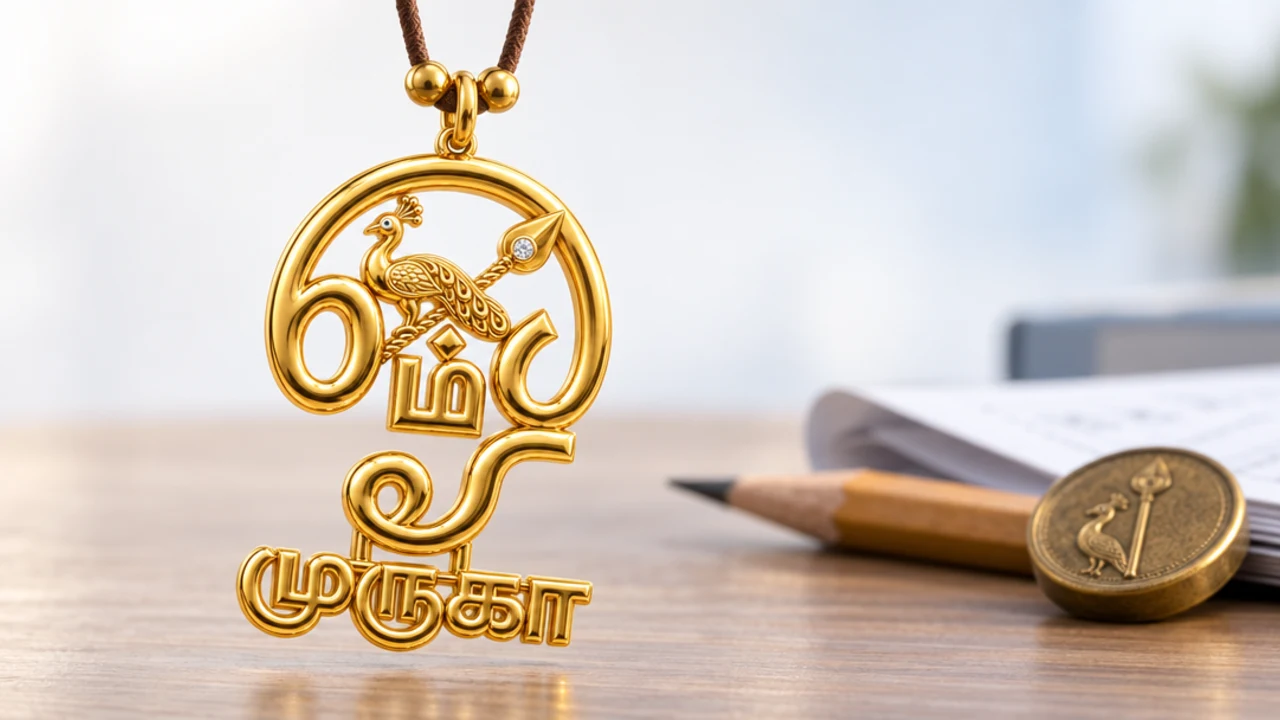
Cultural charms show up here too, quietly. In Tamil Nadu, for instance, many students carry the image of Murugan and his vel, a symbol of courage before a climb, which the murugan vel meaning explains in full.
Pick something you can keep on the desk or in a pocket without breaking any exam rule. A charm that gets confiscated at the door is worse than none.
The three charms students trust most
Different students want different things from a charm. Here are the three most common types and what each one gives you.
The lucky pen or pencil
- Why it works: it is in your hand and linked to exams you passed before
- Best for: anyone who wants zero fuss and total familiarity
- Watch out: always bring a backup, or the "luck" becomes a single point of failure
The gift from family
- Why it works: it carries someone's belief in you into the room
- Best for: students who feel steadier knowing home is with them
- Watch out: keep it small and rule-safe so it stays a comfort, not a worry
The ritual object
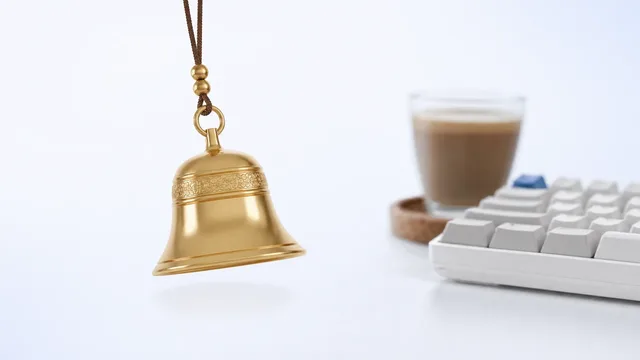
- Why it works: a bell, a token or a charm you touch as you begin
- Best for: students who like a clear "start now" signal
- Watch out: the object matters less than doing the same thing every time
The point across all three is repetition. A charm becomes lucky by being used the same way, again and again, until it means calm to you.
How do you build a charm into a study routine?
Start using the charm long before the exam, not on the morning of it. A cue only works if your brain has learned what it means.
Keep it on your desk during revision and touch it as you begin each session. By exam day, the object already says "focus starts now," so it carries that meaning into the hall.
This is really a study habit wearing a charm's clothing, which is why it pairs so well with a wider desk ritual. The charm is the anchor; the ritual is the sequence you attach to it.
If a charm ever starts to feel like a superstition you cannot sit an exam without, ease off. A comfort should never become a cage. The goal is a calmer you, not a dependence.
For the specific minutes right before you turn the paper over, the companion piece on good luck rituals before an exam walks through what to do with your breath, your hands and your first thirty seconds.
Is an exam charm a good idea for younger students?
For children it can be lovely, as long as it stays gentle. The risk with kids is turning a comfort into pressure, so the charm should say "you are ready" rather than "you must not fail."
A small token from a parent, kept in a pencil case, is usually enough. It works best framed as company, not as a spell that will do the work for them.
The full, careful version of this is in lucky charm for kids' exams, which is worth reading if you are choosing one for a child. A child who feels backed relaxes, and a relaxed child remembers more.
Where should the charm live on exam day?
For a paper exam, the charm lives on the desk or in a pocket, whatever the rules allow. For anything you sit at a computer, it can live on the screen.
Whatever you choose, hold the idea lightly. The charm is the friend who walks you to the door; the paper is still yours to write, and you are more ready than your nerves are telling you.
Do students in different countries use different charms?
Yes, and the variety is part of the charm, so to speak. What steadies a student is shaped by the culture they grew up in, and that shows on exam day.
In Japan, students often carry an omamori, a small cloth charm bought at a shrine, sometimes one meant specifically for study and success. In India, a token blessed at a temple or a family deity's image is common, and in Tamil Nadu the image of Murugan and his vel is a familiar comfort.
In Ireland and parts of Europe you will still see a clover pressed in a book or a small charm on a keyring. The object changes from place to place, but the job is always the same: turn a scary hour into a familiar one.
None of these is more "powerful" than another. They work because they mean something to the student holding them, not because of where they were made.
If you borrow a charm from a culture that is not your own, learn what it means and treat it with respect. A charm used kindly is a small bridge; one used carelessly is just a prop.
What matters more than any charm on exam day?
The plain truth is that preparation does the heavy lifting, and no charm replaces it. A charm helps a prepared student perform; it cannot rescue an unprepared one.
Sleep is the next most important thing, and it is badly underrated. A rested brain recalls more and panics less than a tired one that studied an extra two hours.
After that comes calm, which is where the charm actually earns its place. Preparation gives you the knowledge; the ritual makes sure nerves do not hide it.
So stack them in the right order. Study first, sleep second, and let the charm handle the last mile between the door and the desk.
That last mile is smaller than it feels, but it decides a lot. A student who walks in steady starts writing sooner, thinks more clearly, and finishes with time to check.
Do lucky charms actually help in exams?
They help indirectly by lowering anxiety, which lets your preparation show. A charm cannot supply knowledge you do not have, but a calmer mind recalls more of what you studied, so the effect on your marks is real if modest.
What is the best lucky charm for exams?
The best one is small, allowed in the hall, and personally meaningful to you. A trusted pen, a family gift, or a token you touch as you begin all work well. Familiarity matters more than the specific object.
Is it bad to rely on a lucky charm for exams?
It is fine as a comfort but not as a crutch. If you feel you cannot sit an exam without it, scale back so it stays a helpful cue rather than a source of fresh worry. The aim is calm, not dependence.
When should I start using an exam charm?
Start during revision, weeks ahead if you can. A cue only works once your brain links it to focus, so using it every study session teaches that meaning before the real day.
Can I use a religious or cultural charm for exams?
Yes, and many students do, carrying tokens or images that hold meaning for their family. Use it with respect for its tradition, and it can bring real comfort into the room with you.
What if lucky charms are not allowed in the exam hall?
Then move the ritual to before you walk in, or use something already permitted like a plain pen. The gesture can happen at the door; what matters is the calm it triggers, not the object crossing the threshold.
Book My Luck today
Book My Luck is a desktop decoration for macOS 14+ and Windows 10/11. The desktop outside the charm remains clickable. The current Mac and Windows downloads are version 1.0.32, signed by KAK DIGITAL LLC. On Mac, Charm Centre controls size, cord length, placement, displays and motion. Collections and controls can differ between Mac and Windows.
There is no calendar integration, booked-moment scheduler or native-app free trial. Explore the website demo and regional pricing. One key activates one computer at a time; activation and license refresh require internet. Preferences are local, but purchasing, activation and website analytics use online services described in the privacy policy.
Hang one for the moment that matters
Book My Luck hangs a rendered charm from your Mac or Windows screen, with rope physics and manual interaction. Check the current platform release and regional price before buying.
Get Book My Luck →