Book My Luck
Deploy Ritual: A Small Habit Before You Ship to Prod
A deploy ritual is a small, repeated habit you run right before you push to production, and it works by adding a deliberate pause where mistakes usually happen in a rush. It steadies you and marks the moment, the way a pilot's checklist does, without pretending to catch every bug for you.
Most teams treat the deploy as a non-event, just a button and a held breath. That casualness is exactly why the moment goes wrong, because the riskiest clicks are the ones made without a second's thought.
What is a deploy ritual?
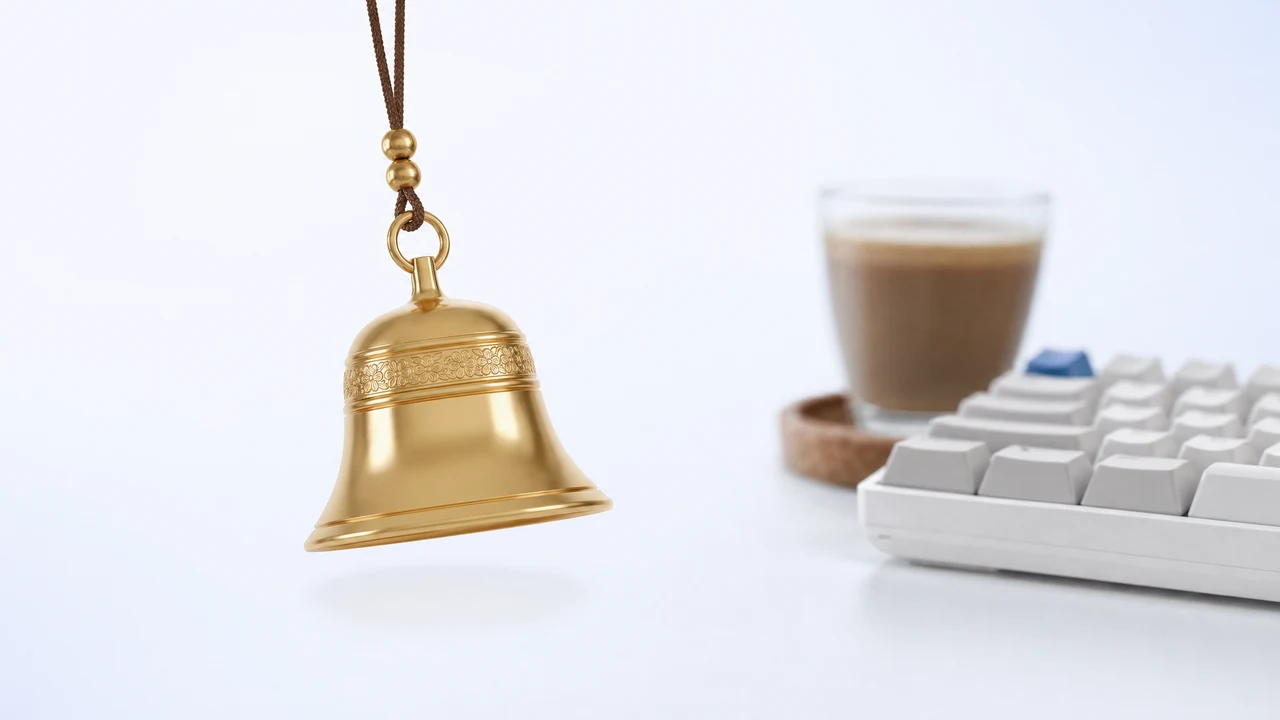
A deploy ritual is any consistent, tiny action you attach to the act of shipping. It might be a phrase you say, a breath you take, a bell you ring, or a charm you summon before the final command.
The content matters less than the consistency. What you are building is a fixed moment of attention in a process that otherwise rewards speed.
Think of it as the software cousin of a pre-flight check. The ritual is not superstition; it is a forced half-second of care before an irreversible click.
A deploy ritual will not stop a bad merge or a missing migration. It is not a promise. What it does is slow you down at the exact point where haste causes the worst mistakes.
Why does a pause before deploy actually help?
Production incidents cluster around rushed deploys. The Friday-afternoon push, the "quick" hotfix, the deploy squeezed in before a meeting: these are where things break.
A ritual interrupts the rush. By making yourself stop for one deliberate action, you create a natural checkpoint to notice the thing you almost forgot.
There is a calming effect too, which matters more than developers admit. Shipping to prod raises your pulse whether you show it or not, and a steady habit lowers it.
The wider case for why a physical, deliberate cue beats a mental note is made in ring a bell before work, and it applies cleanly to deploys.
What should a deploy ritual include?
Keep it short enough that you will actually do it every time. A ritual you skip under pressure is worse than none, because you skip it exactly when you need it.
Here are three shapes it can take, from lightest to most built-in.
The spoken checklist
- What it is: a two-line phrase you say aloud, like "tests green, migration ready"
- Why it works: saying it out loud catches the thing your eyes skipped
- Best for: solo devs and quick manual deploys
The physical mark
- What it is: ringing a small bell or summoning a charm as you hit deploy
- Why it works: a sensory cue makes the moment register as significant
- Best for: anyone who wants the deploy to feel like an event, not a reflex
The automated summon
- What it is: a git hook or script that fires a ritual on every push
- Why it works: it never gets skipped because it is not up to your willpower
- Best for: teams who want the habit baked into the pipeline
The automated route is the most reliable, and git hook rituals walks through wiring one up so a charm or a chime greets every push.
How do you automate the ritual?
The neat part is that a ritual can live in the same tooling you already use. A git hook is just a script that runs on an event, so it can trigger anything.
On a Mac you can have a push open a URL that summons a charm, using a scheme the app registers. A pre-push hook might look like this:
#!/bin/sh
# .git/hooks/pre-push
open "bookmyluck://bless"
exit 0
That one line means every push is greeted the same way, hands-free. Automation turns a good intention into a habit you cannot forget.
Put the ritual on push, not on merge. The push is the moment code leaves your machine, which is the point where a half-second of attention pays off most.
Is a deploy ritual just superstition?
It can look like one, but the useful version is not. The honest framing is that a charm or a chime is a cue, not a cause.
A charm is not a promise. It does not make your code correct, and it never claims to. Its job is to steady the human at the keyboard and mark a moment that deserves marking.
That is genuinely valuable in a job where the same click can be routine or catastrophic. A calm, attentive engineer ships fewer disasters than a rushed one, and the ritual buys you that calm.
For a deeper look at keeping the practice grounded rather than spooky, a ritual for shipping code makes the case without the superstition.
Where the charm comes in
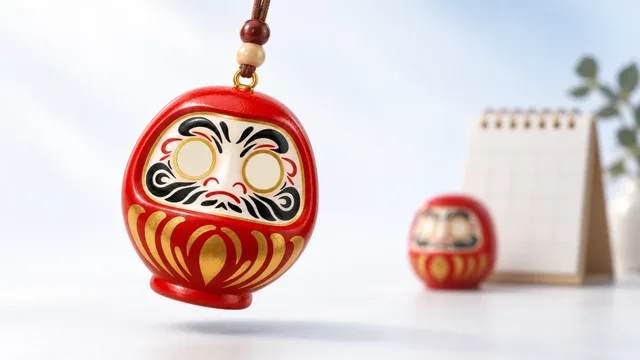
If you want the physical-mark version without keeping an actual bell on your desk, this is where a screen charm fits. In Book My Luck a charm hangs from the top of your Mac, and a hotkey or the URL scheme above can make it come forward and perform its ritual right as you deploy, then settle out of the way so it never blocks your terminal.
For the bigger, rarer shipping moments, the same logic scales up into a good luck charm for launch day. The deploy ritual is the daily habit; the launch charm is the milestone.
Start tiny. One phrase, one breath, or one automated chime on push is enough to turn deploying from a nervous reflex into a deliberate, calmer act.
What makes a deploy ritual stick?
Most rituals fail for the same reason resolutions do: they are too big to keep. A deploy ritual that adds two minutes of ceremony gets abandoned the first time you are in a hurry.
The fix is to make it almost free. A ritual that costs one second, or that runs automatically, survives busy weeks because there is nothing to skip.
Tie it to a trigger you cannot avoid, like the push itself. A habit anchored to an action you already take is far stronger than one that relies on remembering.
Keep it the same every time, on tiny deploys and big ones alike. The point of a checkpoint is that it is always there, so a config-only change gets the same pause as a schema migration.
Never let the ritual become a substitute for real checks. A chime is not a test suite, and a charm is not a code review. The pause helps you use those tools, it does not replace them.
Does a deploy ritual fit a team, not just a solo dev?
It does, and a shared one can be even more useful. When a whole team marks deploys the same way, the act of shipping stops being invisible.
A simple version is a message in a channel, a shared chime, or a bot that posts when a deploy starts and finishes. This gives everyone a moment of shared awareness at the riskiest point of the day.
It also spreads the calm. A team that treats deploys as a marked, deliberate act ships with less drama than one that fires them off silently.
The trick, as with any team ritual, is to keep it opt-in in spirit and short in practice. A deploy ritual that feels like paperwork will be routed around within a week.
Done well, it becomes a small point of pride. The team knows that when something goes to production, it goes with a beat of attention rather than a shrug.
FAQ
What is a deploy ritual?
It is a small, consistent habit you perform right before pushing to production, such as a spoken checklist, a bell, or a summoned charm. Its purpose is to add a deliberate pause and steady you before an irreversible action.
Does a deploy ritual reduce bugs?
Not directly. It cannot catch a bad migration or a broken test. What it does is slow you down at the riskiest moment, which helps you notice things you would miss in a rush, so it can reduce rushed mistakes.
How do I automate a deploy ritual?
Use a git hook. A pre-push hook is a script that runs on every push, so it can ring a chime, log a note, or open a URL that summons a charm. Automating it means the habit never gets skipped under pressure.
Should I deploy on a Friday?
That is a team judgement, but the "no Friday deploys" caution exists because tired, rushed, end-of-week pushes go wrong more often. A ritual that forces a pause is most valuable exactly on days like that.
Is a deploy ritual the same as a launch ritual?
They are related. A deploy ritual is the frequent, small habit for everyday pushes, while a launch ritual marks a bigger, rarer milestone. Both steady the people involved and mark a moment.
Is using a charm for deploys unprofessional?
No, as long as you treat it as a cue rather than a cause. A charm is not a promise about your code; it is a calming, attention-focusing habit, much like a pilot's checklist. The professionalism is in the pause, not the object.
Hang one for the moment that matters
Book My Luck hangs a rendered charm from your Mac or Windows screen, with rope physics and manual interaction. Check the current platform release and regional price before buying.
Get Book My Luck →