Book My Luck
Team Ritual for Launch Day: Shared Good Luck
A team ritual on launch day is a tiny shared act everyone does at the same moment right before you ship. It works because it turns a scattered, anxious room into one group breathing together for ten seconds.
Most advice treats launch day as a logistics problem. The logistics matter, but the nerves are the part a ritual actually helps with.
Why does a team ritual help on launch day?
A launch is a moment where a lot of people are quietly holding their breath. A shared ritual gives that held breath somewhere to go.
Think about a sports team touching a sign on the way out of the tunnel. Nobody believes the sign changes the score.
They believe the touch marks the moment, and the marking is what settles the body. The same logic works for a release team.
When five or ten people do one small thing together, the group stops being individuals staring at separate dashboards. For a few seconds you are one unit, pointed the same way.
A ritual does not make the deploy safer. It makes the people calmer, and calmer people catch more of their own mistakes.
What makes a good shared ritual?
The best team rituals are short, cheap and impossible to fail. If it takes planning, people skip it under pressure.
A good one fits three tests. It should take under a minute, need no special skill, and carry no penalty for anyone who is late or tired that day.
Rituals that shame people die fast. A ritual that welcomes people back after a rough week is one they will actually keep.
- Under a minute, so it never competes with the checklist.
- No leader required, so it runs even when the founder is out.
- A clear start and stop, so the group knows the ritual is done and the work begins.
The content can be almost anything. What matters is that it is the same each time and everyone knows the cue.
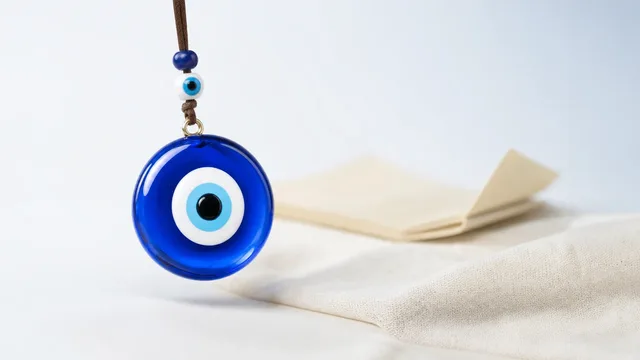
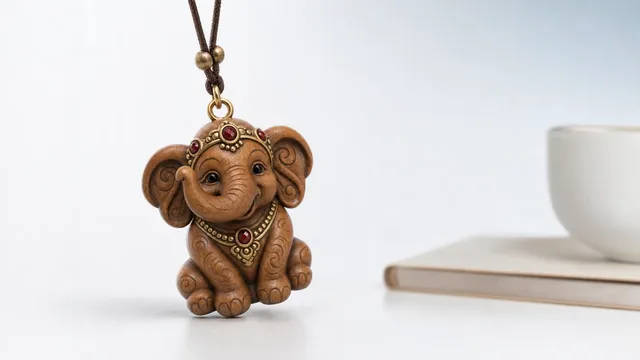
Pick a ritual that has a sound or a visible movement. A bell, a knock on the desk, a charm that swings; the body remembers a cue it can hear or see far better than a silent thought.
Three shared rituals teams actually keep
Here are three shapes that hold up over many launches. Each one gives the group a single, obvious signal.
The countdown breath
- What it is: one person says "three, two, one," everyone takes one slow breath, then the deploy button gets pressed.
- Why it works: it syncs the room to a single moment and lowers the heart rate at the exact second stress peaks.
- Best for: small teams on a video call who ship together live.
The shared charm
- What it is: one lucky charm that comes forward on every screen at launch time, does its small ritual, and settles.
- Why it works: it is the same object every launch, so it builds a memory the way a team mascot does. This is where a tool like Book My Luck fits, because it can bring the same charm to each person's Mac at the booked minute.
- Best for: remote teams who cannot share a physical desk.
The post-ship toast
- What it is: the moment the release is green, everyone raises whatever is on their desk, coffee or water, and names one thing that went right.
- Why it works: it closes the loop and turns relief into a small celebration instead of a silent slump.
- Best for: teams that tend to move straight to the next fire without a breath.
How do you start a team ritual without it feeling forced?
The fastest way to kill a ritual is to announce it as a mandatory new process. Rituals grow better than they are installed.
Start with one launch. Do the thing yourself, out loud, and invite rather than instruct.
If it helps, people will copy it. If it does not, you have lost thirty seconds and nothing else.
Give it a plain name the first time, something like "the launch breath," so people have a handle for it. A named thing is easier to ask for next time.
Keep the same charm or cue across launches. The value comes from repetition, so switching it every week resets the memory to zero.
A ritual is not a replacement for a real checklist, a rollback plan or a calm on-call rotation. Ship the safe way first, then add the human moment on top. If you want the engineering side, see the deploy ritual piece.
Rituals for different launch moments
Not every launch is a code deploy. The same idea covers a product page going live, a campaign starting, or a store opening its doors.
For a software release, pair the ritual with the actual push. Many teams like a small cue at the moment the pipeline goes green, which is close to the good luck charm for launch idea.
For a marketing or store launch, tie the ritual to the publish click instead. The moment is the same in spirit: the thing leaves your hands and meets the world.
For a remote team, a digital good luck gift can double as the shared object, so the charm you send is the charm everyone summons on the day.
How do you keep a ritual alive across many launches?
The hard part is not starting a ritual. It is keeping one after the novelty wears off and the team is tired.
Two things keep a ritual going. The first is that it stays genuinely short, so it never feels like a tax on a stressful day.
The second is that it belongs to the group, not one person. If the ritual only happens when the founder is online, it dies the first week they are away.
- Rotate who calls it, so no single person is the keeper of the ritual.
- Tie it to the event, not the mood, so it runs on a rough day exactly as on a good one.
- Let it evolve slowly, keeping the same core cue while the words around it change.
A ritual that survives a hundred launches usually looks almost identical to the one you started with. The permanence is the payoff, because the memory only builds if the shape stays the same.
Do not turn the ritual into a performance metric. The moment it becomes something people are graded on, it stops calming anyone and starts adding pressure, which is the opposite of the point.
What if a launch goes badly?
This is where a good ritual quietly earns its keep. A launch that goes sideways is exactly when a team needs a shared moment most.
Keep the ritual even on a rough day. Running the countdown breath or touching the shared charm after a rollback tells the team that a bad launch is a normal part of the work, not a verdict on anyone.
That message matters more than any celebration. A ritual that only shows up when things go well is a fair-weather friend, and teams can feel the difference.
The honest part
A charm on launch day is a charm, not a promise. It will not fix a bad migration or a broken payment flow, and no ritual should pretend to.
It works the way a lucky pen or a pre-game huddle works. It marks the moment, steadies the hands, and gives the team a story to tell later.
That story matters more than people admit. "Remember the launch where we all held our breath and it shipped clean" is the kind of memory that keeps a team together through the launches that do not go clean.
If you build one small habit this quarter, make it this one. A shared cue costs almost nothing and pays back every time the pressure spikes. You can even hang the same charm on every desk with a one-time app; see the pricing for what Lucky and Extra Lucky cost.
For the solo version of all this, the same logic scales down to one person and one screen in the desk ritual guide.
FAQ
What is a good team ritual for launch day?
A short, shared act everyone does at the same moment before shipping, like a group breath on a countdown or a lucky charm that appears on each screen. The rule is under a minute, no leader required, and no penalty for being late.
Does a launch day ritual actually work?
It works on the people, not the code. A shared cue lowers stress at the moment it peaks, which helps a team stay clear-headed, but it never makes a deploy technically safer, so keep your checklist and rollback plan.
How do I start a ritual without it feeling forced?
Do it yourself on one launch, name it plainly, and invite rather than mandate. If it helps the team, they will copy it on the next launch; if not, you have lost only a few seconds.
Can a remote team share the same ritual?
Yes. Use a cue that reaches every screen at the same minute, such as a countdown breath on a call or a charm each person summons on their own Mac, so distance does not break the shared moment.
Is a launch ritual just superstition?
It is a ritual, not a belief about outcomes. It marks the moment and steadies the group the way a pre-game huddle does, and it should never be sold as protection against a bad release.
What charm suits a team the best?
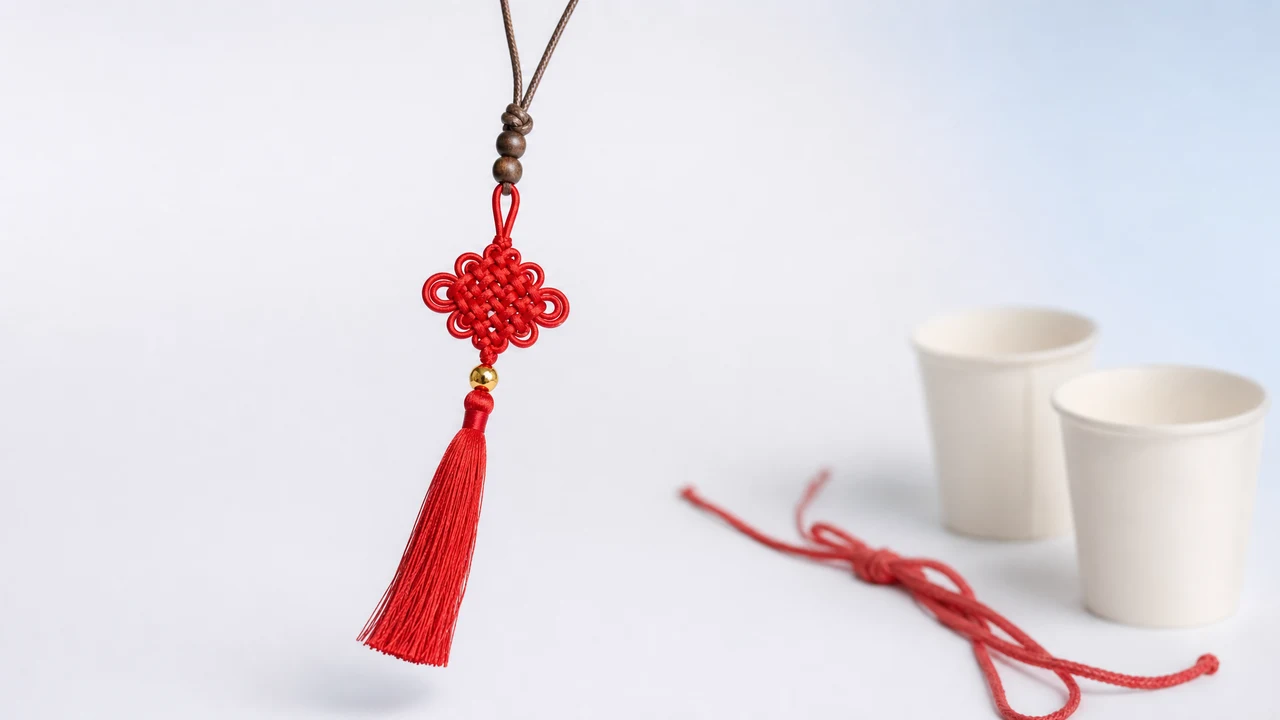
Many teams like the Chinese endless knot, since its unbroken loop reads as continuity and shared effort. Any charm works as long as it stays the same across launches so the memory can build.
Hang one for the moment that matters
Book My Luck hangs a real lucky charm from the top of your Mac screen. It sways, clicks through, and drops in on cue for the moments you book. One purchase, no subscription.
Get Book My Luck →