Book My Luck
Lucky Charm for a Marathon or Race Day
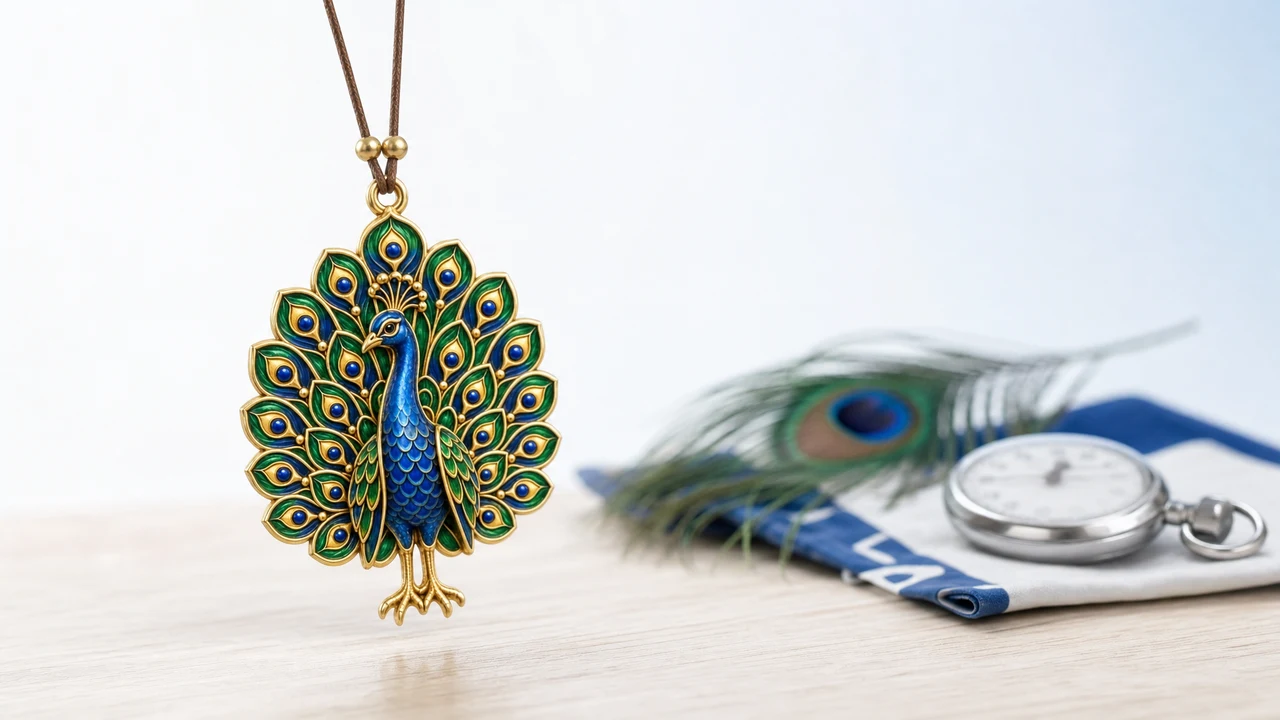
A lucky charm for race day is a small object or fixed ritual you use to settle your nerves at the start line so your training carries you through the miles. It does not run the race or set your finish time; it puts you in the state where your preparation can do its work.
Most race advice is all splits and gels and no nerves. The missing piece is that the start line rattles even seasoned runners, and adrenaline early is what wrecks a good race plan.
What does a charm do at the start line?
The start of a race is a rush of nerves and crowd, and it is where most people make their first mistake: going out too fast. A charm gives you one fixed, familiar thing to steady you before the gun.
You touch it or run the ritual, you breathe, and the surge of adrenaline drops to something you can steer. That composure is the whole benefit.
The charm does not add fitness you have not built. It simply stops nerves from spending your energy in the first mile, so you run your plan, not the crowd's.
A lucky charm for race day works like a pre-race warm-up routine. It steadies the runner; it changes nothing about the distance ahead.
Why does the peacock fit a big day?
The peacock is a bright, celebrated bird across India, and its fanned tail is a display of confidence and beauty. A common custom around the charm is to fan the feathers, a small flourish that reads as pride and readiness.
That makes it a fitting emblem for a start line. Race day is your display of months of training, and a peacock is a cheerful symbol of standing tall before the crowd.
It is also simply a lifting image on a nervous morning. Something bright and proud is a good thing to hold when the doubts show up.
The peacock is described here with respect for its place in Indian culture. It is offered as an emblem of confidence, not as any claim about your finish time.
How do I build a pre-race ritual?
Keep it short, portable, and identical every race, big or small. The value comes from repetition, so a ritual you can run in a crowded start pen is worth more than a complicated one.
A simple version.
- Touch the charm or start the ritual.
- Take three slow breaths, longer on the exhale.
- Give yourself one cue for the first mile: easy, easy, hold back.
That first-mile cue is the single most useful instruction on race day. Nerves make runners sprint the opening, and a memorised "hold back" saves the energy you will want at the end.
Pin the ritual to something you always race with, like your bib belt or watch. A charm you might leave in the hotel is a charm that cannot help you.
This is the same steadying mechanism as a game-day ritual in sport or a warm-up before a presentation. The arena is longer here; the fixed cue that calms you is the same.
Which charms suit race day?
The peacock is a bright pick, but several charms fit the mood of nerve and readiness. Each has a real story.
Peacock
- Origin: India.
- The idea: the fanned tail is a display of confidence and pride.
- Why it fits: it is a lifting emblem for standing tall at the start.
Four-leaf clover
- Origin: Ireland.
- The idea: the rare fourth leaf stands for luck and a private wish.
- Why it fits: it is the universal shorthand for a hopeful edge on the day.
Ghanta, the bell
- Origin: India.
- The idea: ringing the bell marks a beginning and calls you to the moment.
- Why it fits: a single sound is a crisp way to signal that the race has started in your head.
Pick the story that lifts you. A charm you actually like is one your nerves will respond to at the start pen.
Does a charm make you faster?
Not directly, and honesty matters. A charm has no effect on your legs, your lungs, or the course; what it affects is your composure.
A calmer runner holds an even pace, breathes better, and does not panic when a stretch gets hard. Those habits protect the race you trained for, and they come from your state, which the charm helps set.
So treat the charm as nerve and pace management, not a shortcut. It helps you run your plan; the fitness is the miles you have already put in.
A charm cannot replace training, fuelling, and pacing. If those are not in place, no token will carry you to the finish, so do the work first.
Where should the charm live?
Somewhere it travels with you to the line and greets you in training. That is what ties it to running rather than to one nervous morning.
Format is taste. A feather in a belt and a charm on your Mac both hand you the same start-line composure, which is all a race charm is for.
A short comparison of charm placements
| Placement | Best for | The catch |
|---|---|---|
| Race belt or bib | Right there at the start line | Easy to forget in pre-race chaos |
| Pinned to a watch | A glance at the charm on the move | Small, and one more thing to fix |
| On your Mac | Cue set for race morning | Lives on the screen, not the course |
None wins outright. Choose the placement you will reliably meet on the day.
What if the race goes badly?
Even a well-trained runner has rough days: bad weather, a stomach that turns, a pace that never clicks. A charm cannot prevent any of that, and pinning a bad race on a forgotten token only adds a second problem.
When the day goes sideways, the ritual still helps you salvage it. A calm reset at a low mile, hand on the charm, breathing slow, is how you keep one bad mile from becoming ten.
Finishing a hard race teaches more than a smooth one, so treat a rough day as data, not a verdict. The charm's job was always composure, and finishing steady beats chasing a time that was gone by halfway.
What is a lucky charm for race day?
It is a small object or fixed ritual used to calm start-line nerves and cue your race plan, such as a peacock feather, a clover, or a bell. Its real job is to steady you so your training shows, not to change the distance or your time.
Do lucky charms help runners perform?
They help indirectly by settling nerves and holding your composure at the start, which stops the common mistake of going out too fast. A charm cannot add fitness, so it works alongside training rather than in place of it.
Why is the peacock a confident charm?
The peacock's fanned tail is a display of confidence and pride in Indian culture, which makes it a lifting emblem for standing at a start line. It is offered here for that morale, not as any claim about pace.
What is a good pre-race ritual?
A short, repeatable sequence works best: touch the charm, take a few slow breaths, and give yourself one first-mile cue like "hold back." Doing it before every race makes it a reliable switch into a calm, even start.
Can a charm stop me starting too fast?
Indirectly, yes. A calming ritual lowers the adrenaline that makes runners sprint the opening, and a memorised "ease off" cue attached to the charm helps you save energy for later miles.
Can an app be my race-day charm?
Yes. A screen charm can hang on your Mac through your training block and be timed to the start, giving you the same steadying cue as a token in your race belt.
Book My Luck is a one-time purchase with no subscription, and you can read the full pricing before deciding. It is a charm, not a promise: it will not run the miles, but it can help you meet the start line as the calm, ready version of yourself.
Book My Luck today
Book My Luck is a desktop decoration for macOS 14+ and Windows 10/11. The desktop outside the charm remains clickable. The current Mac and Windows downloads are version 1.0.32, signed by KAK DIGITAL LLC. On Mac, Charm Centre controls size, cord length, placement, displays and motion. Collections and controls can differ between Mac and Windows.
There is no calendar integration, booked-moment scheduler or native-app free trial. Explore the website demo and regional pricing. One key activates one computer at a time; activation and license refresh require internet. Preferences are local, but purchasing, activation and website analytics use online services described in the privacy policy.
Hang one for the moment that matters
Book My Luck hangs a rendered charm from your Mac or Windows screen, with rope physics and manual interaction. Check the current platform release and regional price before buying.
Get Book My Luck →