Book My Luck
Good Luck Message Ideas for an Exam or Interview
Good luck message ideas for an exam or interview work best when they are short, specific, and free of pressure, so the person feels backed rather than watched. Name the moment, say one true thing, and stop there.
The reason most good luck texts fall flat is that they pile on stakes. "You have to nail this" adds weight, when the job of the message is to take a little off.
What makes a good luck message land?
Three things: it is short, it is specific to them, and it leaves out the pressure. A line that names the moment beats a generic "best of luck" because it proves you were actually thinking of them.
Specific does not mean long. "Interview at ten, you have prepped for this" is better than three sentences of encouragement that could go to anyone.
And the message should ask nothing back. The person about to walk into an exam does not need to reply, so write something that needs no answer.
A good luck message, like a charm, is a charm and not a promise. It works the way a lucky pen or a pre-game ritual works: it marks the moment and steadies the nerves. It cannot change the result, and it should not pretend to.
Message ideas by moment
Here are lines you can borrow and bend into your own voice, grouped by the moment. Change a word or two so they sound like you.
For an exam
- Night before: "You have done the work. Sleep well, and go steady tomorrow."
- Morning of: "Exam at nine. You know this, one question at a time."
- After, no result yet: "However it went, you turned up and did it. Proud of you."
For a job interview
- Night before: "Interview tomorrow. Be the version of you that got the callback."
- Morning of: "You already impressed them once. Go and enjoy the conversation."
- After: "That is the hard part done. Now we wait, and either way you handled it."
For a nervous friend
- Any moment: "I am in your corner today. No matter what, you have me."
- Short and plain: "Thinking of you at ten. You have got this."
For the exam case specifically, pairing the words with a small object works well, and the good luck gifts for exams piece has ideas under $20 to go alongside a note.
What should I avoid saying?
Anything that raises the stakes or hands over your own anxiety. Skip "you have to" and "everything depends on this," because both add weight the person is already carrying.
Avoid empty superlatives too. "You are the smartest person I know" can land as pressure if the exam goes badly, so keep the praise about effort, not outcome.
Here is a quick contrast so the difference is clear.
| Instead of | Try |
|---|---|
| "You have to ace this" | "Go steady, you have prepped for this" |
| "Everything is riding on today" | "Whatever happens, you turned up" |
| "Don't mess it up" | "One question at a time, you know this" |
The right-hand column does the same warm job without the sting. It backs the person rather than the result.
For an interview, the lucky charm for a job interview piece explains why a small steadying cue helps, and the same logic applies to the words you send.
Read your message back and ask whether it needs a reply. If it does, cut that part, because the person about to sit an exam should not owe you a text.
When should I send it?
The night before or the morning of, with a little margin. Not in the last five minutes, when a buzzing phone is a distraction rather than a comfort.
The night before helps them sleep on a kind word. The morning of, sent early, greets them before the nerves peak.
Do not text during the exam or interview itself. Even a warm message can pull focus at the worst moment, and it may go unread until it no longer helps.
For younger students, timing and tone matter even more, since a message can tip from support into pressure fast. The piece on a lucky charm for kids' exams covers keeping it gentle.
Can a message be more than words?
It can, when you pair it with a small gesture. A note plus a charm, or a message plus a booked moment, carries further than text alone.
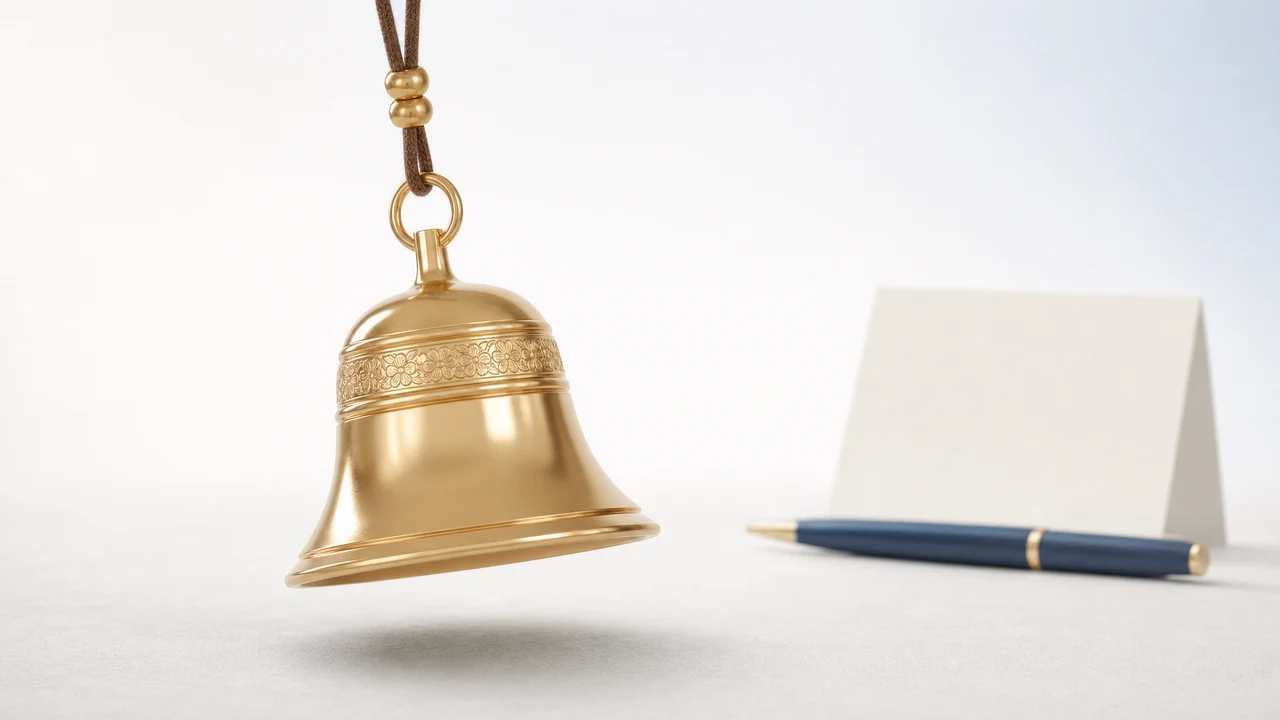
Book My Luck, a small Mac menu-bar app, can be booked to bring a charm forward at the exact minute an exam or interview begins. A message the night before plus a charm on the screen at nine sharp is a two-part gesture that meets the moment.
It is one idea among many, not the whole answer. A handwritten card or a simple text does the core job on its own.
If the person is far away, a digital gift and a note travel together instantly, which the digital good luck gift piece covers. You can see the small one-time tiers on the pricing page if the screen charm fits them.
How do I make a message sound like me?
Write it the way you would say it out loud. Read it back in your own voice, and if it sounds like a greeting card, cut it down until it sounds like you.
Use the words you actually use. If you would say "smash it," say that; if that is not you, do not force it, because a borrowed phrase reads as borrowed.
Small, true details do more than grand ones. Mentioning the thing they were stressed about last week proves you were listening, which no generic line can fake.
Keep the shape simple: name the moment, back the person, stop. That structure holds whether you are texting a best friend or writing in a colleague's card.
When you are stuck, finish the sentence "I just want you to know that..." out loud. Whatever comes next is usually the honest, personal line you were reaching for.
Should the message be text, card, or spoken?
It depends on the person and the moment, and any of the three can be right. A voice note carries warmth a text cannot, while a written card lasts in a way a message thread does not.
For a close friend before a big exam, a quick voice note the night before feels like you are right there. For a milestone worth keeping, a handwritten card outlives the day.
A plain text is not lesser. Sent at the right minute with a real line, it does the core job and never feels like too much.
Match the format to how you two usually talk. The most personal message is the one that arrives the way your friendship already sounds.
One more thing helps across all three: follow up after. A short "how did it go, no pressure to answer" a day later shows the support was about them, not about the result.
That closing note often matters more than the first one. It tells the person you were with them for the whole thing, not just the dramatic moment before the door opened.
Keep the after-message as low-stakes as the first. If the result was good, celebrate the effort more than the outcome; if it went badly, say the trying counted and mean it.
People remember who checked in after a hard day far longer than who wished them well before it. A single honest line at the right moment can carry a friendship a long way.
FAQ
What is a good short good luck message for an exam?
Something specific and warm, like "Exam at nine, you know this, one question at a time." Short lines that name the moment and leave out the pressure land better than long paragraphs of encouragement.
What should I text before a job interview?
Try "You already impressed them once, go and enjoy the conversation." It reminds the person they earned the interview and frames it as a talk rather than a test.
What should I not say in a good luck message?
Avoid raising the stakes. Lines like "you have to ace this" or "everything depends on today" add weight, so replace them with effort-focused encouragement like "go steady, you have prepped for this."
When is the best time to send a good luck message?
The night before or early on the morning of, not in the last few minutes and never during the exam or interview. Early timing lets the kind word settle before the nerves peak.
Should I expect a reply to a good luck text?
No. Write it so no reply is needed, because the person about to sit an exam or walk into an interview should not owe you a message back.
How do I make a good luck message feel personal?
Name the exact moment and say one true thing about them. "Interview at ten, you have prepped for this" proves you were thinking of them, which a generic "best of luck" never does.
Hang one for the moment that matters
Book My Luck hangs a real lucky charm from the top of your Mac screen. It sways, clicks through, and drops in on cue for the moments you book. One purchase, no subscription.
Get Book My Luck →